

The invisible workforce
Whoever we are, we will all one day be a carer or be cared for ourselves. Yet unpaid carers across India remain largely unseen and unsupported.
Key Numbers
The scale of the issue
An estimated 14 crore people across India nearly 10% of our population provide unpaid care to their loved ones.

84%
of carers are women and girls
89%
of carers suffer from anxiety or depression
92%
of carers worry about money
48%
of carers worry about their own health
Understand the Issue
Who is an unpaid family carer?
Caring relationships come in a variety of forms: a mother caring for a child with cerebral palsy, a son caring for his elderly father, a sister caring for her sibling with a physical disability, or a wife caring for her husband living with a mental illness.
Typically, when a family member requires care, there is a 'primary' carer responsible for most, if not all, of the caring responsibilities. Whilst every carer is unique, they are united by the fact that they work hard every day to care for their loved ones without remuneration for their efforts.
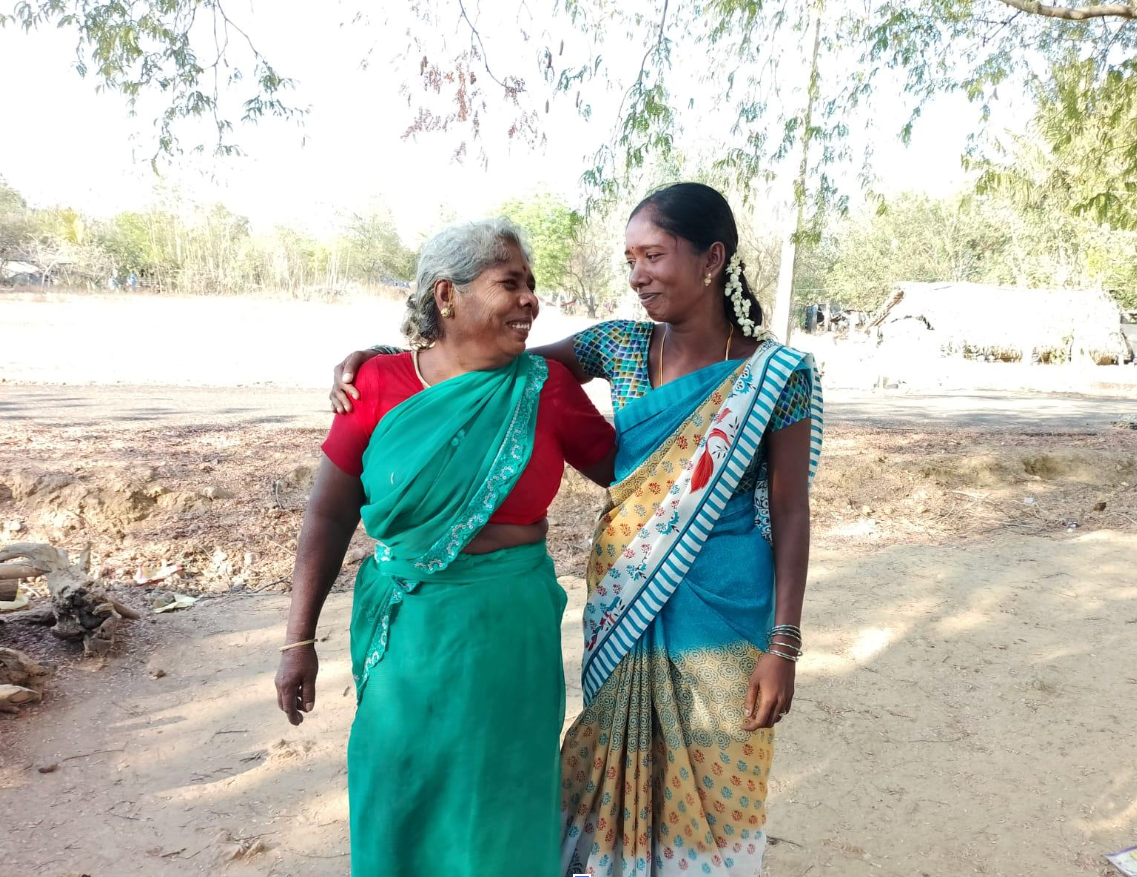
The schedule of carers is often erratic. People with high support needs may require 24/7 care meaning the family carer must always be available. As a result, many carers find it difficult to establish a routine in their own lives and constantly have to juggle and manage various responsibilities.
When caring is a full-time responsibility, the opportunity to earn a living is lost for the carer. There are few social security benefits available for carers, and many carers are not aware of the ones that do exist.
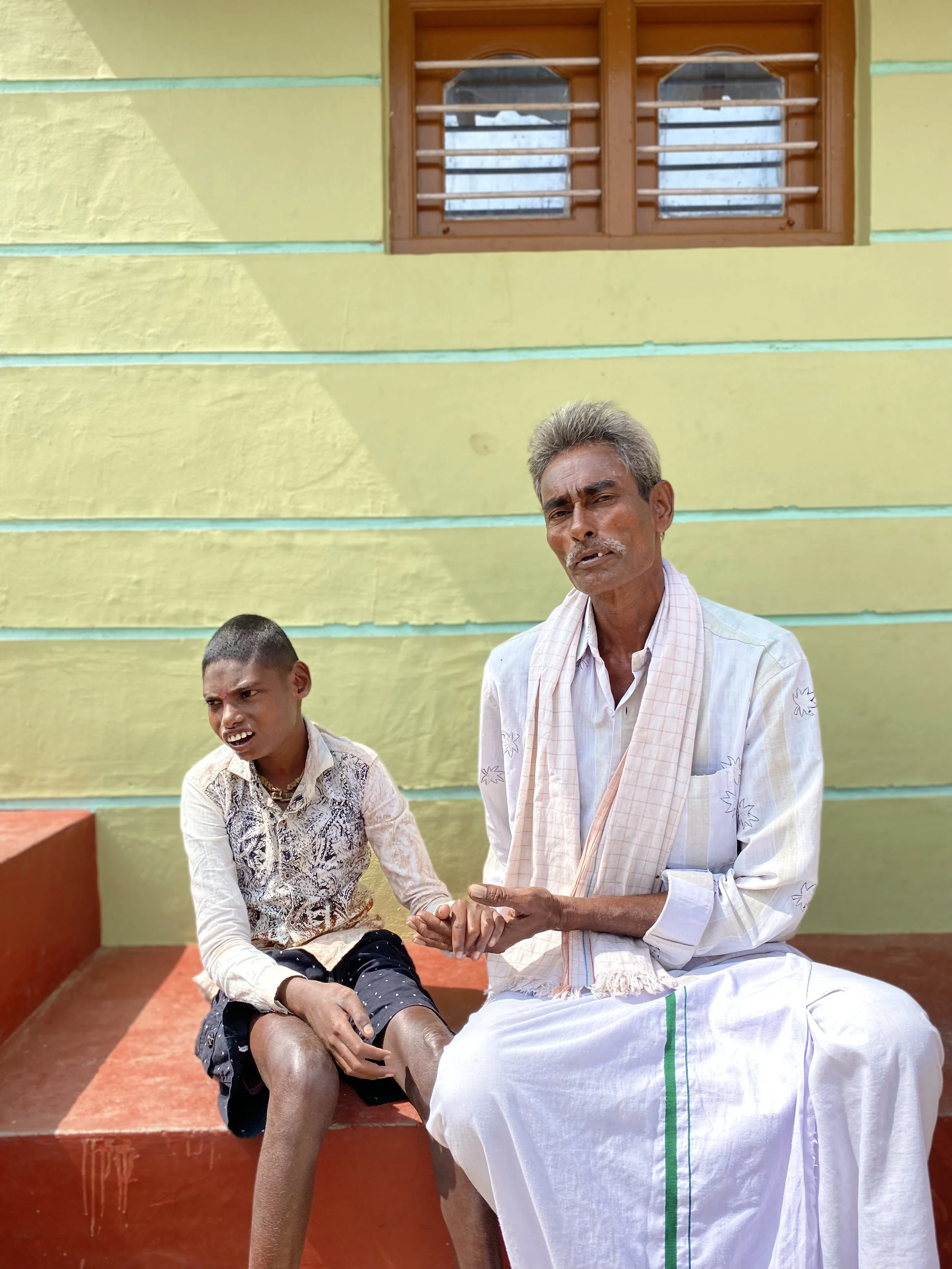
Carers often have to curtail their social and leisure activities including forgoing family gatherings and community events. Public spaces that aren't adapted for people with mobility issues mean it is often challenging for carers to take a relative with disabilities to social activities.
The stigma attached to many physical and mental health conditions means it can be safer for carers and those they care for to remain at home where they could face discrimination and abuse in public. This isolation partially explains the high rates of anxiety and depression among carers.
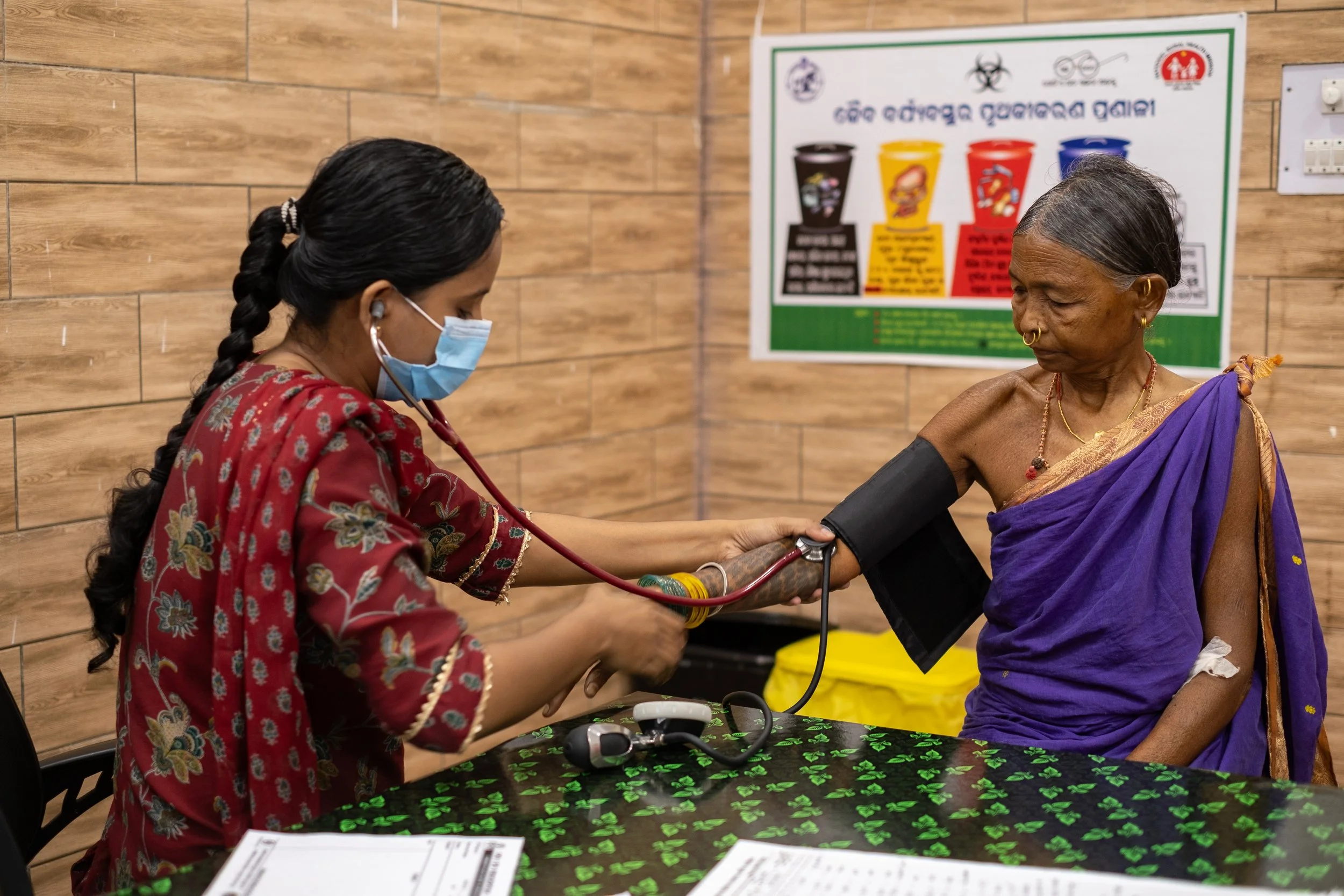
It is not only the health of the person being cared for that requires attention. Many carers are concerned about their own physical health but are unable to seek medical treatment due to a lack of time or their financial situation.
Caring for a loved one can adversely affect the economic, social, emotional and physical well-being of carers. Here at Carers Worldwide India, we are committed to transforming the lives of carers and ensuring that their own needs are routinely met.
Help us reach more carers across India
Your donation directly supports unpaid family carers in underserved communities giving them access to health, livelihood and emotional support.